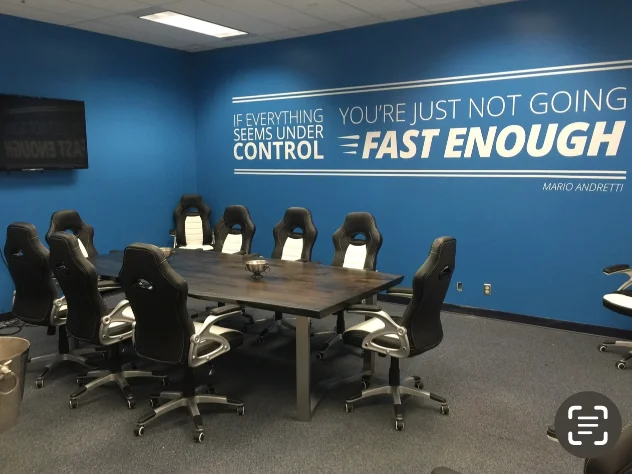
Entrepreneurship is a journey fraught with challenges. The road is rarely smooth, and it often feels like you're either soaring or stuck in a rut. As business owners, we experience both of these extremes—moments of incredible progress and times when everything seems to come to a standstill. But, amidst the inevitable setbacks, there's one constant principle that can guide us to success: activity equals momentum, and momentum equals opportunity.
This isn't just a catchy slogan; it's a fundamental truth that can propel your business forward, even during tough times. Let's break down this idea further to see how consistent effort leads to momentum, and how that momentum ultimately opens the door to new opportunities.
Activity Equals Momentum: The Secret to Getting Unstuck
In the physical world, momentum is simply the product of mass and velocity. But in the business world, momentum is created through action. It's about moving your business idea from a standstill into continuous progress.
Starting a new project or task is often the hardest part. It's easy to get bogged down by the magnitude of the challenge. But once you take that first step and build a consistent pattern of small actions, you create momentum that propels you forward.
Example: Building RentAnythingStore.com
When I first launched RentAnythingStore.com, there were times when it felt like we weren't getting any traction. The technology was costly, the concept was new to people, and there were many technical hurdles to overcome. But we kept pushing forward, focusing on small actions every day, from updating the website, connecting with suppliers, to engaging with potential users. Slowly but surely, the momentum started to build. The ball was rolling, and it became easier to keep moving.
As we continued to put in the effort—refining the website, improving the user experience, and expanding our offerings—the business began to grow. The momentum we had created allowed us to attract new customers and partners, and that momentum led to more opportunities to scale the business.
Momentum Equals Opportunity: The Power of Consistency
Momentum isn't just about forward movement; it's about creating a wave of opportunities. When you build momentum, you create a sense of progress, which attracts more opportunities—whether it's new customers, potential partners, or investors.
The more consistent your activity, the more you refine your business vision and strategy. As you move forward, you receive feedback, learn what works, and adapt quickly. This iterative process provides a clearer view of your market and unveils opportunities that weren't visible before.
Real-World Example: Networking and Partnerships
Take Cody Party Rentals as an example. When we started the business, there were countless competitors in the market. However, by staying active and consistently improving our service, we built a reputation for providing excellent customer service and top-quality rentals. As a result, partnerships began to emerge from unexpected places—whether it was venues looking to collaborate with us or large events seeking our rentals. These opportunities were a direct result of the momentum we had built.
Likewise, even if you're working in a saturated market, consistency and activity create visibility. As you keep pushing forward, the momentum will attract people who want to collaborate with you. You're not just selling a product; you're building a relationship with your market that can lead to valuable opportunities.
Turning Challenges Into Prospects: Reversing Negative Momentum
It's easy to talk about momentum when things are going well, but what happens when things take a downturn? What if your business seems stuck, or even worse, spiraling downward? The good news is that momentum works both ways—it can either work for you or against you. But the power of momentum is that even when it's working against you, it's still within your control.
To regain positive momentum, you need to create activity. Start with small, manageable goals that will provide quick wins. These might seem insignificant at first, but every small victory helps shift the energy. Whether it's improving a product, tweaking a marketing strategy, or simply reconnecting with an old client, those small wins start to build momentum in a positive direction.
Example: Reviving a Struggling Business
When we experienced a downturn in Highrise Scaffolding, we faced significant challenges. However, we didn't sit idle and wait for things to change. We made small but deliberate efforts—rethinking our pricing strategy, improving our customer service, and engaging with past clients to see how we could support their future needs. Slowly but surely, we turned things around, and the momentum shifted. We regained our footing, rebuilt our customer base, and eventually expanded. This wasn't a quick fix, but it showed the power of consistent activity in reversing negative momentum.
The Importance of Collaboration: Leveraging Others to Maintain Momentum
Another key aspect of building momentum is the role of collaboration. You can't do everything yourself, and that's where seeking help from others—whether mentors, advisors, or partners—becomes invaluable. In fact, a 2019 study by Harvard Business Review found that businesses that leverage strong networks and mentor relationships grow 30% faster than those that don't.
Example: Mentorship and Collaboration in Marketplace Studios
When we launched Marketplace Studios, I reached out to mentors and industry experts who could provide insight and feedback on our business model. Their guidance helped us avoid common mistakes and accelerated our path to success. Furthermore, as we began to scale, we sought out strategic partnerships that could help us grow even faster. This collaboration with like-minded individuals added a whole new layer to our momentum, expanding opportunities in ways we couldn't have done alone.
The Takeaway: Harness Momentum, Create Opportunity
The key to unlocking the potential of your entrepreneurial venture is to create momentum through activity. Whether you're just starting or you're in a rough patch, maintaining a consistent effort—even if small—will pay off in the long run. And remember, momentum is cyclical: positive momentum leads to more opportunities, and opportunities lead to further momentum.
So, how do you start?
- Set small, achievable goals to create quick wins and build momentum.
- Stay consistent. Regular effort compounds over time and creates significant results.
- Collaborate with others who can provide new insights, ideas, or resources.
- Embrace feedback to iterate and improve your strategy, which will unveil opportunities.
Momentum doesn't happen overnight, but with patience, consistency, and a focus on activity, it will propel your business forward. Just remember: activity equals momentum, and momentum equals opportunity.