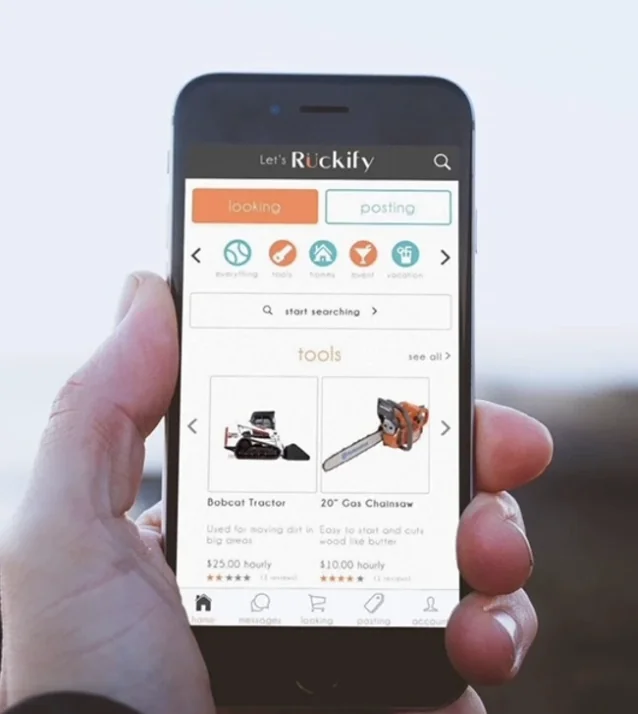
Since the advent of the first smartphone, our personal and professional lives have undergone a profound transformation. These powerful devices have evolved from simple communication tools to complex, all-encompassing hubs that manage nearly every aspect of our lives—from social interactions and entertainment to online shopping and professional networking. Today, smartphones are the "remote control" of our existence, seamlessly governing everything from daily communications to instant purchases.
This shift in how we interact with the world around us has not only revolutionized the way we live but has also had a profound impact on the marketplace economy. Smartphones have democratized commerce, providing individuals and small businesses with access to platforms and tools that were once only available to large corporations.
The Democratization of Commerce: A Historical Perspective
Marketplaces have always been a cornerstone of human civilization. From the bustling bazaars of ancient cities like Rome and Constantinople to the modern-day e-commerce platforms that connect us globally, the marketplace has always been a space where buyers and sellers meet, exchange goods, and form lasting relationships. Historically, these markets were often limited by geography, and only a select few had the resources to participate fully in global trade.
However, smartphones have changed that dynamic. With smart technology right at our fingertips, we've entered a truly democratic marketplace, one where the barriers to entry have been lowered for individuals and small businesses alike. People no longer need a physical storefront, expensive infrastructure, or even a large inventory to start selling goods. A simple smartphone and an internet connection are often all that is required to tap into the global market.
The Rise of Mobile Commerce
The impact of smartphones on commerce is immense. A 2020 report by eMarketer revealed that smartphones accounted for more than 50% of all online transactions globally, underlining how crucial mobile devices have become in the world of shopping. The rise of mobile commerce (or m-commerce) has enabled consumers to shop and transact at their convenience, anywhere and anytime. Whether it's ordering groceries, booking a flight, or renting a power tool, smartphones have made the buying process quicker and more accessible.
Companies like Etsy, which enables artisans to sell unique handmade and vintage items, and eBay, where anyone can auction off just about anything, are prime examples of how smartphones have empowered individuals to tap into the marketplace. Platforms like these have revolutionized the concept of ownership, moving from a model based on possession to one based on access and sharing.
The Sharing Economy: An Explosion of Peer-to-Peer Commerce
In recent years, we've also seen the rise of the sharing economy—a new economic model that emphasizes access over ownership and allows individuals to share underutilized assets. This phenomenon is heavily driven by smartphones and platforms like Airbnb, Uber, and Turo, which have made it easier for people to monetize everything from their homes to their cars. According to a report by PwC, the global sharing economy is projected to grow to $335 billion by 2025—a staggering figure that illustrates the immense potential of this sector.
Moreover, peer-to-peer (P2P) commerce platforms such as Poshmark, Depop, and Mercari are further fueling the growth of the sharing economy by allowing individuals to trade with each other directly. These platforms have turned what were once niche markets for secondhand goods into mainstream marketplaces, making it possible for people to buy and sell items like clothing, furniture, electronics, and more from the comfort of their own homes.
This shift toward P2P commerce highlights a larger trend: the democratization of commerce. Today, almost anyone with a smartphone can participate in the global marketplace—whether it's by renting out a room on Airbnb, selling a handmade necklace on Etsy, or offering freelance services on platforms like Upwork. This new model of commerce is not just about transactions; it's about creating a community-driven, decentralized ecosystem where the traditional barriers to entry are eliminated.
The Role of Big Players and Social Media in the New Marketplace
The democratization of commerce doesn't just benefit small businesses and individuals; it's also a boon for large companies that have embraced the shift toward mobile commerce. Industry giants like Amazon and Alibaba are already leveraging mobile platforms to capture a global customer base. However, social media platforms have also entered the marketplace game, integrating shopping features directly into their apps.
For example, Instagram and Facebook have rolled out integrated shopping features that allow users to purchase products directly from posts, making it even easier for small businesses and influencers to reach their audience. These platforms have become essential tools for businesses looking to tap into a younger, mobile-first audience who are accustomed to browsing, shopping, and discovering new products all within a single app. According to Statista, as of 2022, over 130 million people in the U.S. clicked on Instagram shopping posts every month, underlining how powerful these platforms are in shaping the future of retail.
As artificial intelligence (AI) and machine learning continue to evolve, the shopping experience on these platforms will become even more personalized. AI algorithms will predict what consumers are most likely to buy based on their past behavior, offering tailored recommendations that increase conversion rates and customer satisfaction.
Looking Forward: A Future of Equal Opportunity in Commerce
The future of marketplaces is bright. According to PwC, marketplace platforms are expected to account for over $40 trillion in economic activity by 2025, highlighting the massive scale of this shift. As we continue to see the convergence of physical and digital spaces, marketplaces will become even more integrated into our daily lives.
The most exciting part of this transformation is that it's not just big companies that stand to benefit. Smartphones have provided the means for small businesses, freelancers, and individuals to access markets that were once out of reach. Whether it's through P2P platforms, social media shopping, or mobile-first commerce, the smartphone has become the gateway to a world of opportunity for anyone willing to seize it.
Conclusion: A New Era of Commerce
Today, marketplaces are no longer defined by geographical boundaries—they are defined by the connections we make, facilitated by the smartphones in our pockets. From small businesses to individuals looking to monetize their skills or assets, smartphones have given us the tools to participate in a truly democratic marketplace.
In essence, our smartphones are not just devices for communication—they are powerful tools that connect us to the global marketplace, allowing us to trade, buy, and sell with unprecedented ease. This shift represents more than a trend; it marks a fundamental change in the way we view commerce and our place in the global economy.
So, the next time you pick up your phone, remember: it's not just a device. It's your gateway to the democratized marketplace of the future—a space where anyone can be a buyer, seller, and innovator.