As entrepreneurs, we often find ourselves standing at a crossroads, faced with decisions that can pivot the direction of our ventures. These are the moments where fear can paralyze us—fear of taking action or, even worse, fear of not taking action at all. It's in these moments where the greatest lessons are learned, and we realize that inaction can be far scarier than any potential risk.
My Journey: Overcoming Inaction in the Face of Fear
Looking back on my journey, the moments that shaped my career were often fueled by a fear of inaction, rather than the fear of doing something.
Take, for example, my experience with starting the Lift business. When we saw the market potential for these large lifts, we knew there was an opportunity, but we didn't have the funds to buy the equipment outright. It would have been easy to let the lack of money stop us—an excuse to not move forward. But instead, we got creative. We sub-rented the lifts long-term and then re-rented them on a daily basis. This allowed us to build cash flow and a customer base, and ultimately gave us the leverage to grow. Inaction would've cost us the opportunity to seize this market—so instead of sitting idle, we took bold action.
Then, there's Cody Mobile Auto Detailing, which emerged out of a simple problem I had: I didn't have the time to take my car to an auto detailer. Instead of just accepting this inconvenience, I decided to create a mobile detailing business. But here's the catch—I didn't know the first thing about auto detailing. So, I did what any entrepreneur should do: I found an expert. I put an ad out and luckily found someone who was skilled, experienced, and passionate about the craft. I asked him to create a plan and tell me exactly what we needed to do to become the best auto detailing service out there. That initial action—despite my lack of knowledge—led to the creation of a thriving business.
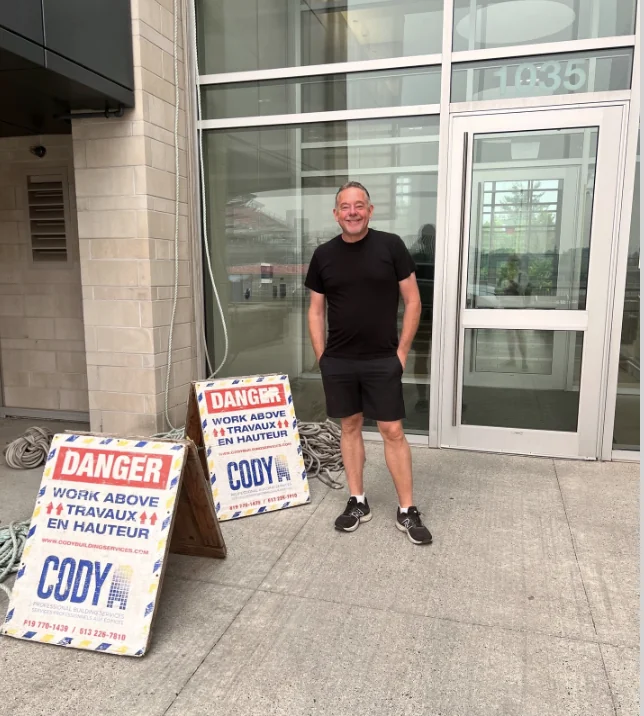
Lastly, there's Cody Window Cleaning, the very first business I started. If you can believe it, I was terrified of heights, yet I knew this was an industry that offered strong demand. The fear of heights was real, but so was the fear of missing out on an opportunity. I hired people who were capable of doing the work I couldn't, which forced me to learn how to manage people quickly and effectively. That early lesson in overcoming my fears and managing employees set the foundation for many successful ventures to come.
The Fear of Inaction: What Holds You Back?
At each of these moments, the real fear wasn't the action I took—it was the fear of doing nothing. The fear of missing out, of not seizing an opportunity, or worse, of regretting not trying. When you sit back and let opportunities pass because of fear, you rob yourself of the chance to learn and grow.
In all three examples, taking action was critical. Had I let fear of failure, financial limitations, or personal discomfort stop me, none of these businesses would have existed. It's easy to let fear dictate our decisions, but I've learned that inaction is far more dangerous than taking a calculated risk.
The Statistics Behind Inaction and Action
Research shows that inaction in entrepreneurship can lead to long-term regret and missed opportunities. According to a study by the Kauffman Foundation, startups that take action, even when facing uncertainty, often have better long-term growth and success compared to those that hesitate. The study found that the longer entrepreneurs wait to act, the more likely they are to miss market opportunities, leading to a 60% higher failure rate for companies that delay launching. Taking action, no matter how small, helps businesses start generating data, learning, and adjusting to market needs quicker.
Another statistic from Harvard Business Review highlights that 70% of businesses that engage in strategic actions early—whether they succeed immediately or not—are able to pivot effectively and thrive in later stages. This ability to adapt and learn from failures is a direct result of taking action.
Flipping the Fear: Taking Action, Even When It's Scary
By focusing on the fear of inaction, I was able to shift my perspective. It's no longer about "What if this goes wrong?" but rather, "What if I don't try at all?" By evaluating the potential cost of inaction—lost opportunities, missed growth—I was able to push forward with confidence, despite the fear that came with each decision.
This shift is powerful in entrepreneurship. Every time you hesitate, you miss an opportunity to move closer to your goal. Taking action, no matter how small, helps you build momentum and learn valuable lessons along the way. Even if things don't go as planned, the lessons learned will help refine your strategy for the future.
Why Action Beats Inaction
Action almost always leads to results. Even if those results aren't ideal, the feedback you receive, the data you gather, and the connections you make will guide you closer to success. The key is to start, even when you're unsure. On the other hand, inaction leaves you with regret, wondering "What if?" That's a risk too big to ignore in the fast-paced world of entrepreneurship.
In business, the fear of missing out on an opportunity (FOMO) is a powerful motivator. It pushes you to make decisions, take the leap, and try something new. When you let the fear of inaction take hold, you're more likely to overcome the hesitation that prevents you from acting and take that first step.
Creating a Culture of Action
As leaders and innovators, it's also our responsibility to cultivate an environment where taking risks is not just accepted but encouraged. Building a culture that favors action over inaction can propel our teams and businesses toward greater innovation and resilience. Encourage your team to weigh the consequences of inaction and to take thoughtful, strategic risks.
In Closing: Embrace Action Over Inaction
While the fear of doing something is a valid concern, the fear of not doing anything should concern us more. It's this fear that should drive us to action, to make decisions that align with our ambitions, and to fully engage with the transformative journey of entrepreneurship.
So, next time you're faced with a decision that scares you, ask yourself: What's scarier? Doing this, or not doing it at all? Your answer might just be the push you need to move forward.